How Smart Glasses for the Visually Impaired Are Revolutionizing Daily Life
Wiki Article
Empowering Independence With Assistive Modern Technology for the Blind
The integration of assistive modern technology for individuals who are blind or aesthetically impaired represents a considerable innovation in fostering self-reliance and enhancing lifestyle. With a series of devices-- from screen visitors to cutting-edge tactile tools-- these modern technologies not only help with navigating and interaction but likewise advertise social incorporation and participation in various elements of life. As we discover the varied kinds of assistive devices and their real-world applications, it ends up being clear that the effect is profound. The evolution of this technology elevates essential inquiries regarding accessibility and future developments that warrant more assessment.Understanding Assistive Modern Technology
Although assistive innovation has actually advanced substantially throughout the years, its basic objective remains the same: to enhance the quality of life for people with handicaps, specifically those who are aesthetically impaired or blind. This innovation encompasses a broad variety of devices and gadgets that promote self-reliance and capability in daily tasks.Assistive innovation can be categorized right into low-tech and high-tech solutions, each developed to satisfy details requirements. High-tech devices usually consist of software applications, specialized equipment, and adaptive gadgets that make use of innovative modern technology to give support in numerous contexts. Conversely, low-tech solutions may include day-to-day things that are customized to improve ease of access, such as magnifiers or responsive pens.
The combination of assistive innovation right into the lives of individuals who are blind or visually harmed not only promotes autonomy but likewise fosters social incorporation and participation in expert and instructional settings. By leveraging these innovations, customers can browse their environments, gain access to details, and connect properly, therefore enhancing their overall lifestyle. Comprehending assistive technology is essential for caregivers, advocates, and experts who aim to sustain individuals in maximizing their possible and achieving greater freedom.
Kinds Of Assistive Gadgets
Assistive gadgets for the visually impaired and blind are vital devices that improve daily obeying resolving details obstacles run into by individuals. These gadgets can be broadly categorized right into 3 primary types: optical devices, digital tools, and sensory gadgets.

Sensory gadgets, such as Braille screens and tactile maps, offer alternate ways to receive information. Braille displays transform electronic text into Braille, enabling users to review touch. Responsive maps use spatial understanding with raised lines and structures, enabling for better ecological recognition.
With each other, these assistive gadgets empower individuals with aesthetic problems to engage more totally with their environments, promoting greater freedom and confidence in day-to-day tasks.

Influence On Daily Life
The assimilation of assistive technology right into the day-to-days live of individuals that are visually impaired or blind substantially enhances their ability to browse and connect with the world around them. Gadgets such as screen viewers, Braille displays, and mobile applications help with access to information, allowing customers to involve with digital web content, communicate effectively, and manage daily jobs separately.Furthermore, innovations like smart glasses and navigating applications supply real-time assistance in unknown settings, boosting wheelchair and confidence. These devices make it possible for users to determine obstacles, reviewed signs, and even acknowledge faces, thus fostering a feeling of autonomy in public spaces. Additionally, home automation systems, which can be managed with voice commands, enable people to manage their living atmospheres much more effectively, enhancing convenience and safety.
The impact of assistive innovation extends past functional jobs; it advertises social inclusion and psychological well-being. By linking the space in between individuals and their surroundings, these innovations empower users to participate completely in area tasks, seek academic chances, and take part in purposeful relationships. Ultimately, the innovation of assistive technology contributes in redefining the opportunities for individuals that are blind or visually impaired, resulting in an extra accessible and inclusive society.
Success Stories and Testimonies
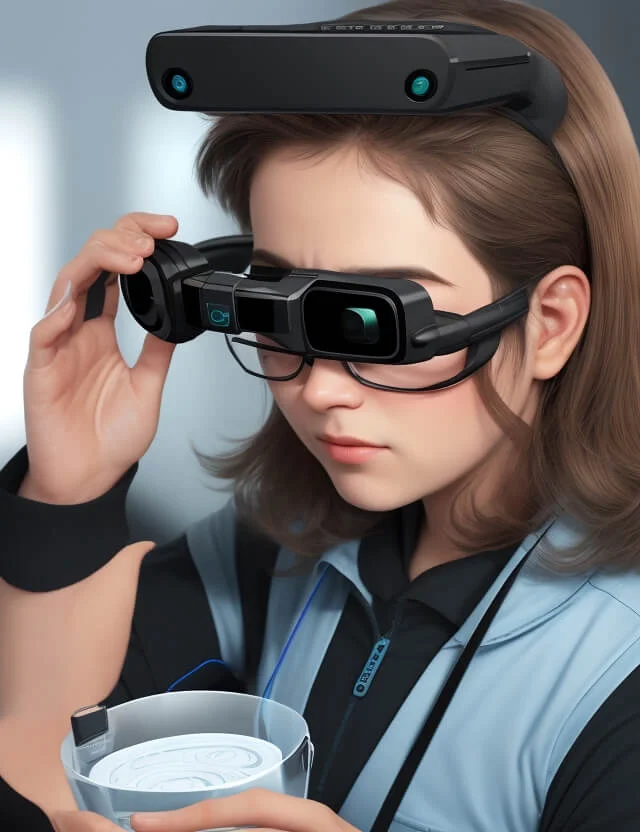
One more effective testimonial comes from Mark, a current college graduate that made use of screen analysis software program throughout his scholastic journey. This innovation allowed him to accessibility program materials and participate in conversations, ultimately leading to his effective transition right into the workforce. Mark credit reports assistive innovation for encouraging him to accomplish his career goals, stressing its function in leveling the having fun field for individuals with aesthetic impairments.
In addition, recreation center have reported boosted participation in their programs many thanks to the intro of easily accessible electronic platforms. These systems have made it much easier for people to Smart glasses for the visually impaired attach, share sources, and support one an additional. These success tales collectively emphasize the profound effect of assistive modern technology in fostering freedom, boosting lifestyle, and damaging down barriers for the blind and aesthetically damaged area.
Future Fads in Assistive Tech
Emerging modern technologies are poised to transform the landscape of assistive technology for people who are aesthetically damaged or blind. Developments in man-made knowledge (AI) and artificial intelligence are improving the capacities of tools, enabling more instinctive customer experiences. AI-driven applications are progressively able to check out and acknowledge items text aloud in real-time, offering users with valuable information about their surroundings.Additionally, advancements in wearable modern technology are developing new opportunities for freedom. Smart glasses outfitted with enhanced reality attributes can overlay important info onto the user's visual field, facilitating navigation and communication with the atmosphere. Additionally, the assimilation of Web of Things (IoT) gadgets is improving access in wise homes, enabling users to regulate appliances and obtain notifications with voice commands or tactile user interfaces.
The development of braille screens and responsive feedback systems is likewise on the surge, promoting access to electronic content and enhancing interaction. As these modern technologies continue to progress, they assure to enhance everyday living, academic possibilities, and employment prospects for individuals with aesthetic problems. Continuous collaboration between technologists, customers, and campaigning for teams will be vital in making sure these technologies meet the needs of the neighborhood successfully.
Verdict
Finally, assistive modern technology plays a pivotal role in enhancing the independence of individuals who are visually damaged or blind. By supplying crucial devices and sources, these modern technologies facilitate improved access, navigating, and interaction to information, thereby cultivating freedom and self-esteem. The transformative effect of assistive devices not just promotes effective communication with the atmosphere however also urges social incorporation and involvement in different aspects of life, eventually equipping customers to grow within their areas.The assimilation of assistive innovation for individuals that are blind or aesthetically impaired represents a substantial improvement in fostering independence and boosting high quality of life.The assimilation of assistive innovation into the lives of people who are blind or visually harmed not only advertises autonomy but likewise fosters social incorporation and involvement in instructional and expert environments. Eventually, the development of assistive modern technology is important in redefining the opportunities for individuals that are blind or visually damaged, leading to an extra inclusive and easily accessible culture.
Numerous people who are blind or visually damaged have actually shared inspiring success stories that highlight the transformative influence of assistive technology on their lives.In final thought, assistive modern technology plays a critical function in boosting the independence of people that are blind or visually impaired.
Report this wiki page